
Working from home has become part of everyday life for many households across Brisbane and the Lockyer Valley.
Video calls, cloud-based software, online meetings and shared home networks are now the norm. But while laptops and software get regular upgrades, the data cabling behind the scenes often gets overlooked.
When internet issues pop up, mostpeople assume the problem is their provider or Wi-Fi. In reality, the way your home is cabled and how data moves through the property plays a much bigger role than many realise.
Why Home Networks Struggle Under Work-From-Home Demands
Homes weren’t originally designed to handle multiple people working, streaming and gaming at the same time. A single Wi-Fi router in a corner of the house might have worked years ago, but modern demands are far heavier.
Common issues we see include:
- Dropouts during video calls
- Slow speeds in certain rooms
- Unstable VPN connections
- Poor performance when multiple devices are online
In many cases, the issue isn’t the internet connection itself, but how data is distributed throughout the home.
Wi-Fi vs Hardwired Connections
Wi-Fi is convenient, but it isn’t always the most reliable option for work-critical devices. Distance, walls, interference and even neighbouring networks can all affect performance.
Hardwired data points provide a stable, direct connection that isn’t affected by these variables. For home offices, this can make a noticeable difference to call quality, file transfers and overall reliability. Many households benefit from a mix of both: hardwired connections for key workspaces, supported by Wi-Fi for general use.
The Role of Structured Data Cabling
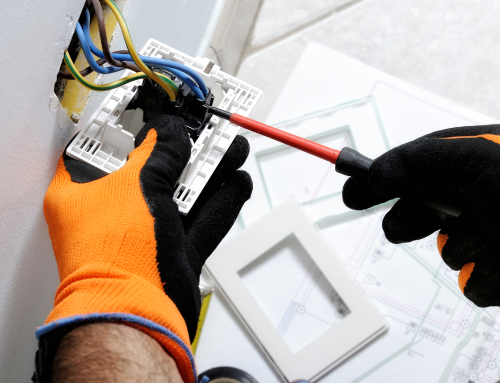
Structured cabling creates a central, organised network that allows data to flow efficiently throughout the home. Rather than relying on patchy signal coverage, data points are placed where they’re actually needed.
A well-designed setup supports:
- Dedicated home office data points
- Stronger, more consistent Wi-Fi coverage
- Smart TVs and streaming devices
- Security systems and cameras
- Future upgrades without redoing cabling
Why Older Homes Often Need Upgrades
Many homes still rely on outdated cabling that was never intended for modern data loads. Renovations, extensions and layout changes can also leave data points in the wrong places, forcing people to rely on signal boosters or long cable runs as a workaround.
Upgrading data cabling during a renovation or when setting up a home office is far simpler and more effective than trying to patch problems later.
A Smarter, Long-Term Approach
A reliable home office isn’t just about speed. It’s about stability, safety and future flexibility. A properly designed data setup reduces downtime, supports multiple users and adapts as technology changes.
At Terrain Electrical, we take a practical, end-to-end approach to data installations. We look at how your home is used, where performance matters most, and how to build a network that works now and into the future.
If you’re setting up or upgrading a home workspace, professional data cabling for residential homes can make a measurable difference to how smoothly your day runs.