On hot, humid days, many homeowners notice their air conditioner running constantly but still feeling uncomfortable inside. The temperature might be set low, yet the air feels heavy, sticky or uneven from room to room.
This isn’t always a sign that the system is broken. More often, it’s the way humidity interacts with cooling, airflow and system design.
How Humidity Changes the Way Cooling Feels
Air conditioners don’t just cool air, they also remove moisture. When humidity is high, a large portion of the system’s capacity is used to pull moisture out of the air before it can lower the temperature.
This means the unit may run longer while delivering less noticeable cooling. The room temperature might technically be dropping, but the space still feels uncomfortable because moisture levels remain high.
In Queensland’s climate, this effect is common, especially during storm season and long humid spells.
Why Efficiency Drops in Humid Conditions
High humidity forces air conditioners to work harder. The longer run times increase energy use and place extra strain on internal components.
If the system is already struggling due to age, maintenance issues or incorrect sizing, humidity will exaggerate those weaknesses. This often shows up as higher power bills, uneven cooling or systems that never quite seem to switch off.
The Role of Airflow
Good airflow is critical when managing humidity. If air cannot move freely across the coils, moisture removal becomes less effective.
Blocked filters, dirty coils or poor air circulation can significantly reduce a system’s ability to dehumidify. Even a well-sized unit will struggle if airflow is restricted.
This is why regular servicing and filter cleaning play such an important role in comfort, not just system longevity.
Sizing and System Design Matter
One of the most overlooked causes of poor performance in humid weather is incorrect system sizing. An air conditioner that is too large for the space may cool the room quickly but shut off before removing enough moisture.
On the other hand, a system that is too small may run constantly without ever catching up, especially on hot, humid days.
Design also matters. Open-plan layouts, high ceilings and large windows all affect how moisture and heat move through a home. Without proper zoning or air distribution, humidity can linger in certain areas even when others feel cool.
Practical Steps Homeowners Can Take
There are a few simple things homeowners can do to improve comfort during humid weather.
Keeping filters clean and vents unobstructed helps airflow and moisture removal. Using the system consistently rather than switching it on and off allows it to manage humidity more effectively.
In some cases, adjusting fan settings or running the system slightly longer at a steady temperature can improve comfort more than constantly lowering the set point.
Sealing gaps around doors and windows also helps prevent humid air from continually entering the home.
When Professional Advice Makes a Difference
If humidity issues persist, a professional assessment can identify whether the problem lies with airflow, system sizing or overall design.
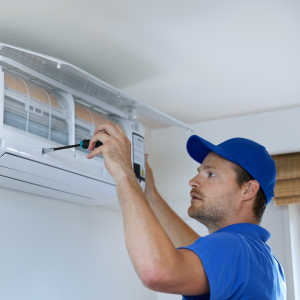
Servicing improves moisture removal, while design adjustments or upgrades can address ongoing comfort issues. This is where experienced air conditioning services focus on the whole system, not just whether it turns on.
Improving humidity control is often about small adjustments that add up to a much more comfortable home.