Most people only think about their electrical system when something stops working: A power point fails, lights start flickering, a circuit trips for no clear reason. Until then, it’s usually out of sight and out of mind.
The problem is that electrical systems don’t fail suddenly without warning. They wear quietly over time – insulation breaks down, connections loosen, moisture creeps in. Loads increase as homes and businesses add more appliances, technology and equipment. By the time something obvious happens, the issue has often been developing for years.
That’s where regular electrical inspections play a much bigger role than many people realise.
Electrical Wear Is Often Invisible
Unlike a leaking tap or a cracked tile, most electrical issues aren’t visible day to day. Wiring sits behind walls. Switchboards are rarely opened. Outdoor fittings are exposed to weather but seldom checked closely.
Over time, common issues start to appear:
- Aging wiring that no longer meets current safety standards
- Circuits carrying more load than they were designed for
- Moisture damage in outdoor points, meters or switchboards
- Loose or corroded connections that generate heat
- Safety switches that no longer trip reliably
None of these issues announce themselves clearly. They quietly increase risk until a fault, outage or safety incident forces attention.
Inspections Catch Problems Before They Escalate
A proper electrical inspection isn’t about ticking a box or finding faults for the sake of it. It’s about identifying early warning signs before they become expensive or dangerous.
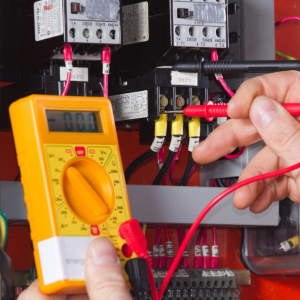
During an inspection, we assess how the system is actually performing today, not how it was intended to perform years ago. That includes checking switchboard condition, testing safety devices, inspecting wiring where accessible and reviewing how power is being used across the property.
Often, small adjustments or preventative repairs can resolve issues long before they become major works.
Safety Isn’t Just About Compliance
Many people associate inspections with compliance, particularly when selling, leasing or running a business. While compliance is important, safety goes well beyond meeting minimum requirements.
Homes and workplaces change over time. Renovations, new appliances, EV chargers, air conditioning upgrades and increased technology use all place new demands on existing systems. An installation that was compliant when it was built may no longer be suitable today.
Regular inspections help ensure your system is still safe for how you actually live or operate now, not how the property was used in the past.
Peace of Mind Comes From Knowing, Not Guessing
One of the biggest benefits of an inspection is clarity. Instead of guessing whether something might be an issue, you get a clear understanding of what’s working well, what needs attention and what can be planned for later.
That knowledge allows you to make informed decisions. You can prioritise safety-critical items first, plan upgrades sensibly and avoid the stress of unexpected failures.
For many homeowners and business owners, that peace of mind alone makes inspections worthwhile.
Smarter Maintenance Saves Money Long Term
Electrical failures often happen at the worst possible time. Heatwaves, storms and peak business hours put extra strain on systems that may already be compromised.
Catching issues early reduces the likelihood of emergency call-outs, equipment damage or downtime. It also helps extend the life of your electrical infrastructure by keeping components operating within safe limits.
Inspections turn reactive repairs into proactive maintenance, which is almost always more cost-effective over time.
A Practical, Safety-First Approach
At Terrain Electrical, we treat inspections as part of a broader advisory approach. We don’t just look for faults. We look at how your entire system is functioning and how it supports your property as a whole.
That might include reviewing switchboard capacity, checking outdoor and storm-exposed wiring, testing safety switches or identifying areas where future upgrades would improve safety and reliability.
The goal isn’t to overwhelm you with information. It’s to give you clear, practical advice so you can make confident decisions about your electrical system.
Inspections Are About Prevention, Not Panic
Regular electrical inspections aren’t something to fear. They’re a simple, sensible way to stay ahead of problems you may never see coming.
Whether it’s your home or your workplace, understanding the condition of your electrical system puts you in control. It reduces risk, improves safety and helps ensure everything behind the walls is working as it should.