When renovating or building a home, most decisions focus on what you can see. Layouts, finishes, lighting and appliances often take priority. Data cabling, on the other hand, is usually an afterthought.
That’s understandable — once the walls are up everything looks complete — however behind those walls is where some of the most important infrastructure lives. And if data cabling isn’t planned properly from the start, it can be difficult, messy and expensive to fix later.
Why Data Cabling Matters More Than Ever
Modern homes rely on stable, fast connections more than ever before. Streaming, working from home, smart TVs, security cameras and automation systems all depend on reliable data infrastructure.
Wi-Fi alone isn’t always enough, especially in larger homes or properties with multiple users. Hardwired data points provide consistency, speed and reliability that wireless connections struggle to match, particularly when walls, floors and distance come into play.
Renovations Are the Best Time to Get It Right
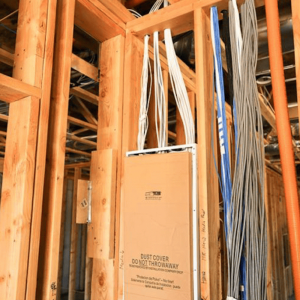
If walls are being opened, ceilings adjusted or spaces reconfigured, it’s the ideal opportunity to address data cabling properly. Running new cables while access is available is far simpler than trying to retrofit once everything is finished.
During renovations, homeowners often discover that existing cabling is outdated, poorly placed or simply not where it’s needed anymore. Planning new data points at this stage allows the network to be designed around how the home will actually be used.
New Builds Benefit From Early Planning
In new builds, data cabling should be considered as part of the overall design, not added at the end. Deciding where desks, TVs, routers, access points and smart systems will live allows cabling to be placed exactly where it’s needed.
This avoids reliance on extension leads, visible cables or weak Wi-Fi signals down the track. It also ensures the home is ready for future technology without major changes later.
Do It Once, Do It Properly
One of the biggest mistakes we see is underestimating future needs. Homes that only install a single data point often end up needing more within a few years as technology changes and usage increases.
Installing additional data points during a build or renovation is relatively straightforward. Adding them later usually involves cutting walls, patching and repainting. Planning ahead saves time, money and frustration.
Future-Proofing Your Home
Future-proofing doesn’t mean predicting every new device., it means building flexibility into the home. That might include extra data points, central cabling locations or higher-grade cabling that supports faster speeds over longer distances.
A well-designed data network allows upgrades to happen easily, without major disruption to the home or daily life.
This is where professional residential data cabling services make a real difference. Instead of reacting to problems later, the focus is on building a network that supports the home long term.
Practical Advice Makes Planning Easier
Data cabling doesn’t need to be complicated, but it does need to be considered early. With clear advice, homeowners can make informed decisions that suit their layout, lifestyle and future plans.
When data infrastructure is planned properly from the start, it quietly supports everything else in the home. And that’s exactly how it should be.