 As electricity prices rise and power outages become more common, more Brisbane homeowners are asking the same question: are EV home batteries actually worth it?
Home battery systems promise greater energy independence, lower power bills and backup power when the grid goes down. But they are also a significant investment, and they are not the right solution for every home. Understanding how they work, their limitations, and how they fit into your overall energy use is key to deciding whether a battery makes sense for you.
At Terrain Electrical, we don’t currently install solar or battery systems. However, we regularly speak with homeowners about energy use, EV charging, electrical capacity and the practical pros and cons of home batteries. Our role is to help people understand how different energy options may affect their home, their bills and their lifestyle — not to push a particular product.
What Is an EV Home Battery?
An EV home battery stores electricity generated by your solar system or drawn from the grid. Instead of exporting excess solar power during the day and buying electricity back at night, the battery holds that energy so it can be used later.
Some households use batteries to support overnight EV charging, run appliances during peak tariff periods, or provide limited backup power during outages. For many homeowners, the appeal is having more control over when and how electricity is used, rather than being fully dependent on energy retailers and peak pricing.
When a Home Battery Can Make Sense
Home batteries tend to deliver the most value when several factors align.
Homes with solar already installed are often the strongest candidates, particularly if excess energy is regularly exported during the day. A battery can store that surplus and make it available when household demand increases in the evening.
Households with high night-time usage may also see benefits. Cooking, air conditioning, entertainment systems and EV charging usually happen after sunset, when grid electricity is more expensive. In these cases, stored energy can help reduce reliance on peak-rate power.
Backup power is another consideration. In parts of Brisbane and the Lockyer Valley, storm-related outages are not uncommon. Battery systems with backup capability can keep essential circuits running, such as lighting, refrigeration and internet, during short interruptions.
EV owners are also increasingly exploring batteries as part of a broader energy strategy. Charging an electric vehicle using stored energy can reduce ongoing running costs, particularly for households that charge primarily at home.
When a Battery Might Not Be the Right Fit
Despite the interest, a home battery is not always the best option.
If a home produces little excess solar energy, there may be limited benefit in storing power. Likewise, households that already use most of their electricity during the day may be getting good value from solar without needing a battery.
Upfront cost is another factor. While battery prices continue to change, they remain a long-term investment. In some situations, improving insulation, upgrading appliances or adjusting energy habits can deliver better returns before adding storage.
Electrical infrastructure also plays a role. Older switchboards or limited supply capacity may require upgrades before a battery can be safely connected. These upgrades are important for safety and compliance, but they should be factored into decision-making early.
Electrical Readiness and Safety
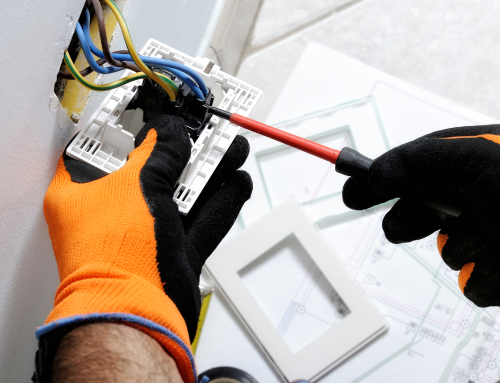
One of the most overlooked aspects of home batteries is electrical readiness. Batteries interact with your switchboard, metering, solar system and, in many cases, EV chargers.
If any part of that system is outdated or already under strain, it can affect performance and safety. A proper electrical assessment looks at load capacity, protection devices and compliance with Australian Standards, ensuring the home can safely support future energy upgrades — whether that includes a battery or not.
Backup Power: Setting Realistic Expectations
Many homeowners consider batteries for backup power, but expectations need to be realistic. Most residential systems are designed to support selected essential circuits rather than the entire home.
Lighting, refrigeration, internet and a small number of power points are commonly prioritised, while high-demand appliances may not be supported simultaneously. Understanding these limits upfront helps avoid disappointment and ensures the system is designed around what actually matters to your household.
Looking at the Bigger Energy Picture
EV home batteries are best viewed as part of a broader energy system, not a standalone solution. Solar generation, EV charging habits, appliance efficiency, switchboard capacity and household usage patterns all influence whether a battery will deliver meaningful value.
For some homeowners, a battery will be a logical next step. For others, improving electrical infrastructure or adjusting how energy is used may be the smarter first move.
A Practical Way Forward
If you’re considering an EV home battery, the most important step is getting clear, honest advice before committing. Every home is different, and what works well for one household may not suit another.
While we don’t install batteries or solar systems, we regularly help customers understand the practical implications of different energy options. That includes discussing how energy is made, stored and used, how EV charging fits into the picture, and whether your electrical system is ready for future upgrades.
At Terrain Electrical, our focus is always safety first, then functionality, then making sure solutions align with how you actually live. The goal isn’t to sell equipment — it’s to help you make informed decisions that support lower bills, long-term reliability and your lifestyle.