Most people assume that if they have safety switches installed, they’re fully protected.
In many cases, that’s true. But not all safety switches are the same, and some older types don’t respond to the kinds of faults that modern homes can produce.
One of the most common issues we see is older AC-type safety switches that aren’t designed to detect certain electrical faults, particularly those involving DC leakage.
What Safety Switches Are Designed to Do
Safety switches, also known as Residual Current Devices (RCDs), are designed to protect people from electric shock.
They work by detecting imbalances in electrical current and shutting off power almost instantly when something isn’t right.
For many years, AC-type safety switches were standard. They were effective for the types of electrical loads commonly used at the time.
The challenge is that electrical systems have changed.
Modern Appliances, Different Electrical Behaviour
Today’s homes use a wide range of electronic devices. Air conditioners, induction cooktops, EV chargers, solar systems and modern appliances all rely on electronics that can produce DC leakage currents.
These currents behave differently from traditional AC faults.
In some situations, AC-type safety switches may not detect these faults properly. That means the protection people expect may not always be there when it’s needed.
Why This Matters for Safety
This isn’t about something going wrong every day. It’s about ensuring the system is prepared for the types of faults that can occur in a modern home.
If a safety device doesn’t detect a fault correctly, it may not trip when it should. That can increase the risk of electric shock or allow an issue to continue unnoticed.
As homes become more reliant on electronic systems, this becomes more relevant.
What Are A-Type RCBOs?
A-type RCBOs are designed to detect both AC and certain DC leakage currents. They provide a higher level of protection for modern electrical systems.
An RCBO also combines circuit protection and safety switching into a single device. This allows faults to be isolated more precisely, rather than affecting multiple circuits at once.
In simple terms, they are better suited to how electricity is used in homes today.
When Should You Consider an Upgrade?
Not every property needs immediate changes, but there are situations where it’s worth reviewing your switchboard setup.
This includes:
- Homes with older switchboards
- Properties with solar systems or EV chargers
- Recent renovations or appliance upgrades
- Frequent unexplained tripping or inconsistent behaviour
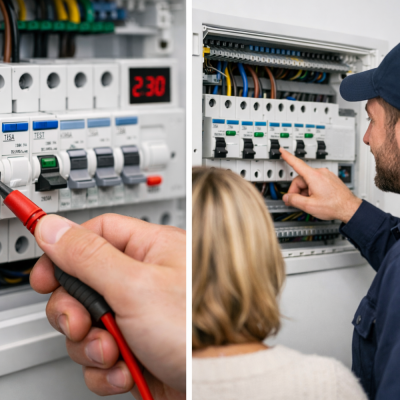
A professional assessment can determine what type of protection is currently in place and whether it aligns with modern standards and usage.
Understanding What You Have
Most homeowners don’t know what type of safety switch is installed, and that’s completely normal.
What matters is having clarity. Knowing whether your system is designed to handle modern electrical demands allows you to make informed decisions about safety and upgrades.
This is where professional electrical safety inspections provide real value. They go beyond checking if something is working and assess whether it’s providing the level of protection it should.
Keeping Protection Up to Date
Electrical systems evolve over time, and safety devices should keep pace.
Upgrading safety switches isn’t about overcomplicating things. It’s about making sure the protection in place reflects how your home or business actually uses power today.
When safety systems are properly matched to modern loads, they quietly do their job in the background, providing protection you can rely on.