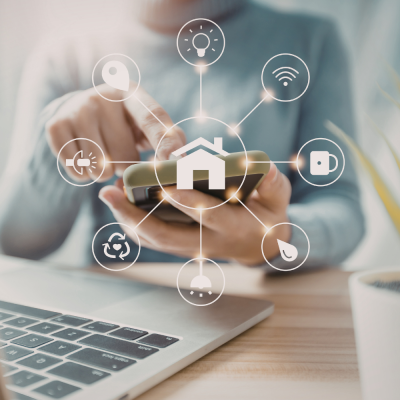
Homes are becoming more connected than ever. Streaming services, smart TVs, security cameras, video doorbells, home offices and automation systems are now part of everyday life.
Most of it runs quietly in the background. Until it doesn’t.
When connections drop out, streaming buffers or security feeds lag, the first reaction is usually to blame the internet provider or the Wi-Fi. In many cases, the issue sits deeper in the home’s infrastructure.
Modern Homes Are Carrying More Load
A typical home today might have dozens of connected devices running at the same time. Smart TVs streaming in high definition, cameras recording continuously, phones and tablets syncing, and home automation systems communicating in the background.
Each device places demand on the network. Individually it might seem small, but together it adds up quickly.
Older homes or systems that rely heavily on Wi-Fi often weren’t designed for this level of use. As more devices are added, performance can start to drop without any obvious cause.
Why Wi-Fi Alone Starts to Struggle
Wi-Fi is convenient, but it has limits. Signals weaken over distance, struggle through walls and compete with other devices on the network.
In open areas it may perform well, but in larger homes or multi-storey layouts, dead zones and inconsistent speeds are common. This becomes more noticeable as more devices rely on the connection at the same time.
Security cameras may lag, streaming services buffer and video calls become unreliable. It’s not always a speed issue, it’s often a stability issue.
Where Structured Cabling Comes In
Structured cabling provides a stable backbone for your network. Instead of relying entirely on wireless signals, key areas of the home are connected with dedicated data cables.
This allows devices like smart TVs, home offices and access points to run on a consistent, high-speed connection.
It also supports better Wi-Fi performance. When wireless access points are connected through cabling rather than relying on a single router, coverage becomes stronger and more consistent throughout the home.
Supporting Security and Smart Systems
Security cameras and smart home systems rely on reliable connections to work properly. Dropouts or delays can affect performance and, in some cases, reduce the effectiveness of the system.
Cabling ensures these devices have stable connections, especially for systems using Power over Ethernet (PoE), where both data and power run through a single cable.
This reduces reliance on wireless signals and helps maintain consistent performance across the entire property.
Designed for How You Live
One of the key benefits of structured cabling is that it can be designed around how the home is actually used.
That might include:
- Data points behind TVs and entertainment units
- Connections for home office setups
- Cabling for security systems and outdoor areas
- Central locations for network equipment
Planning these elements properly creates a network that supports day-to-day use without constant adjustments or workarounds.
Future-Proofing Without Overcomplicating
Technology will continue to evolve, but the need for stable, reliable connections will remain.
Structured cabling doesn’t require predicting every future device. It simply provides a flexible foundation that can support new technology as it’s introduced.
This makes upgrades easier and reduces the need for major changes later.
A More Reliable Way to Stay Connected
When a network is built properly, it becomes something you don’t have to think about. Streaming works, cameras stay connected and devices perform as expected.
This is where professional data cabling services make a difference. The focus isn’t just on installing cables, it’s on creating a system that supports the way the home operates now and into the future.