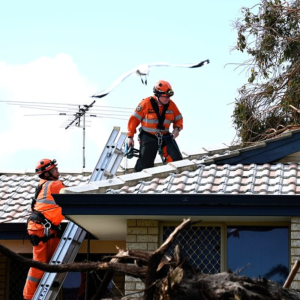
After a storm passes, most people look for the obvious signs of damage. Fallen branches, roof leaks or power outages are easy to spot. Electrical issues, however, are often far less visible.
Storms can affect wiring, switchboards and outdoor equipment in ways that don’t always show up straight away. That’s why post-storm electrical checks focus on identifying hidden risks before they turn into bigger problems.
Why Storm Damage Isn’t Always Obvious
Heavy rain, wind and hail can push moisture into places it shouldn’t be. Water doesn’t need to pour directly onto electrical equipment to cause issues. Small leaks, condensation or movement during a storm can be enough to compromise safety.
In some cases, electrical problems only appear days or weeks later, once corrosion sets in or components begin to fail. A system might continue working while slowly becoming unsafe.
Switchboard Condition
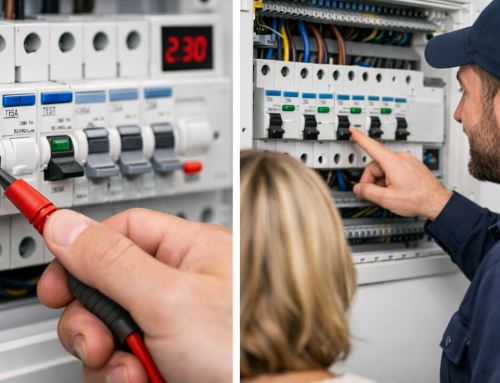
One of the first areas electricians inspect after storm damage is the switchboard. If water has entered the area, even briefly, it can affect breakers, safety switches and internal connections.
Electricians check for moisture, corrosion, tripped safety devices and signs of overheating. They also test that safety switches are still operating correctly, as these are critical for protecting people from electric shock.
Outdoor Wiring and Equipment
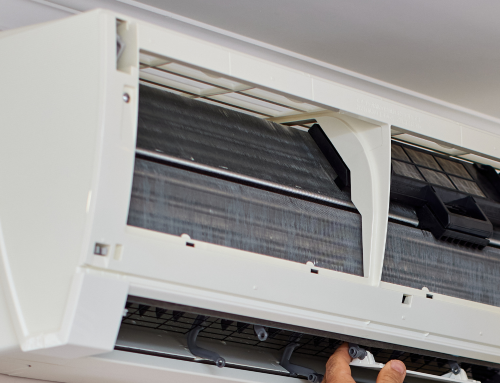
Storms take a toll on outdoor electrical components. Electricians inspect external wiring, power points, lighting, pool equipment and air conditioning units for physical damage or water ingress.
Loose fittings, cracked conduit or exposed cables may not stop equipment from working immediately, but they increase the risk of faults later on. Securing and repairing these areas early helps prevent ongoing issues.
Solar and External Systems
Homes with solar systems need extra attention after storms. Electricians inspect isolators, cabling and mounting points to ensure everything remains safe and secure.
Water ingress or impact damage can affect performance and safety, even if the system appears to be producing power. Identifying these issues early also helps support insurance claims where required.
Circuit Behaviour and Testing
Storms can cause circuits to behave unpredictably. Electricians test circuits to check for faults, insulation breakdown or abnormal readings that indicate underlying problems.
This testing helps confirm whether the system is operating safely or if repairs are needed to prevent future outages or hazards.
Why Prevention Matters More Than Power Restoration
Restoring power is often only the first step. The real value of a post-storm electrical check is making sure the system is safe to continue using.
Preventative inspections reduce the risk of delayed failures, electrical fires or repeated faults. They also provide clarity. Homeowners receive a clear explanation of what is fine, what needs monitoring and what should be addressed sooner rather than later.
For properties affected by severe weather, arranging a professional storm damage electrical inspection provides peace of mind and helps protect both people and property.