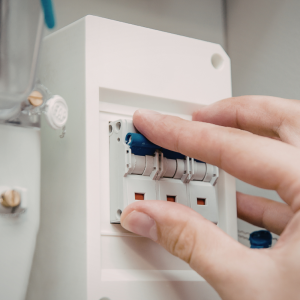
A circuit breaker tripping can be frustrating. The lights go out, power stops, and suddenly you’re resetting switches just to get things running again.
While a one-off trip can happen occasionally, repeated tripping is never something to ignore. Circuit breakers are designed to protect your home or business, and when they trip, they’re doing their job by responding to a problem somewhere in the system.
Overloaded Circuits
One of the most common causes of a tripping circuit breaker is overload. This happens when too many appliances or devices are drawing power from the same circuit at once.
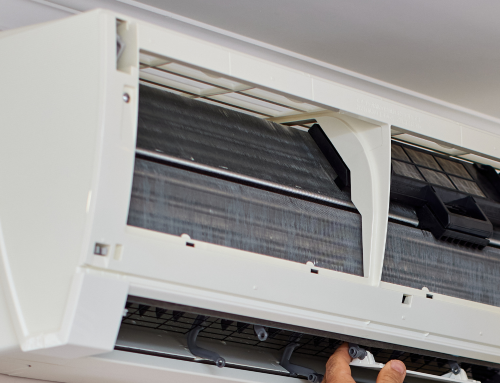
Modern homes use far more electricity than they did years ago. Air conditioners, kitchen appliances, EV chargers and home offices can all place extra demand on circuits that were never designed to handle that load.
When the current exceeds safe limits, the breaker trips to prevent overheating and potential damage.
Faulty Appliances
Sometimes the issue isn’t the wiring at all. A single faulty appliance can cause a breaker to trip repeatedly.
Appliances with worn internal components, damaged cords or moisture exposure can create electrical faults. Plugging in that appliance triggers the breaker, even if everything else seems normal.
Testing appliances one by one can sometimes help identify the cause, but repeated tripping usually means professional testing is needed to confirm the fault safely.
Wiring Issues
Damaged or aging wiring is another common reason breakers trip. Over time, insulation can degrade, connections can loosen and moisture can enter places it shouldn’t.
These issues are often hidden inside walls, ceilings or switchboards, making them difficult to spot without proper testing equipment. Tripping breakers can be an early warning sign that wiring needs attention before a more serious fault develops.
Short Circuits and Earth Faults
Short circuits occur when active and neutral wires come into contact. Earth faults happen when electricity escapes to earth through damaged insulation or moisture.
Both situations cause sudden spikes in current, triggering the breaker almost immediately. These faults are safety-critical and should always be inspected by a licensed electrician.
Why Repeated Tripping Should Never Be Ignored
Resetting a breaker might restore power temporarily, but it doesn’t fix the underlying issue. Repeated tripping puts stress on electrical components and increases the risk of overheating or damage elsewhere in the system.
Ignoring the problem can also lead to inconvenience at best and safety risks at worst. Circuit breakers are warning systems, and consistent trips are a clear signal that something needs attention.
How Professionals Identify the Root Cause
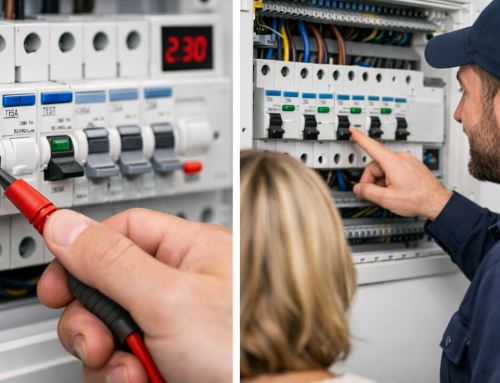
Licensed electricians use testing equipment to measure load, inspect wiring integrity and identify faults accurately. This removes guesswork and ensures the correct solution is applied.
In some cases, the fix might be as simple as redistributing loads across circuits. In others, it may involve repairs, appliance replacement or upgrading components within the switchboard.
A professional assessment focuses on safety first, then functionality, then ensuring the system can support current and future electrical demands.
When a Switchboard Upgrade Is Part of the Solution
Older switchboards may not cope well with modern usage. If breakers trip frequently despite no obvious faults, it can be a sign the system needs upgrading.
A modern switchboard with appropriate protection allows circuits to operate safely without unnecessary interruptions and provides better protection for people and property.
If tripping breakers are becoming a regular occurrence, it’s often worth having the entire system assessed by a licensed professional offering electrical inspection services.