Data cabling is one of those things many people assume is simple. After all, it’s just internet and TV cables, right?
In reality, data cabling is regulated electrical work, and who installs it matters more than most homeowners and business owners realise. From safety and compliance to long-term performance, having the right professional involved makes a significant difference.
What the Law Requires in Australia
In Australia, data and communications cabling must be installed by a licensed cabler. This includes cabling for internet, NBN, phone lines, TV points, security systems and structured networks.
The rules exist to protect people and property. Data cabling often runs through walls, ceilings and shared spaces alongside electrical wiring. Poor installation can create safety risks, interfere with other services or cause ongoing faults.
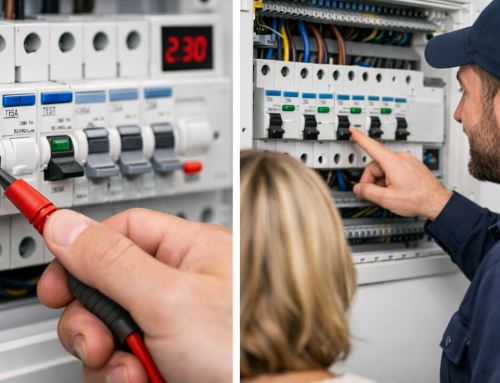
Licensed electricians with the appropriate cabling registration are trained to install, test and certify these systems to Australian Standards. This ensures the cabling is safe, compliant and fit for purpose.
The Risks of Unlicensed Data Cabling
Unlicensed or DIY data cabling can lead to problems that are not always obvious straight away. Common issues include poor signal quality, frequent dropouts and interference that affects internet speeds and device performance.
There are also safety concerns. Incorrect separation from electrical wiring, damaged insulation or poorly terminated cables can increase the risk of faults or overheating over time.
From a compliance perspective, unlicensed work can cause issues during property sales, insurance claims or commercial audits. In some cases, non-compliant cabling may need to be removed and reinstalled correctly, costing more than doing it properly the first time.
Why Performance Depends on Proper Installation
Modern homes and businesses rely on stable, high-speed connections. Streaming, remote work, cloud systems and smart technology all depend on reliable data infrastructure.
Licensed professionals understand how cable type, routing, termination and testing affect performance. They design networks that suit how a space is used, rather than simply running a cable from point A to point B.
This approach reduces dead zones, improves reliability and allows the network to support future upgrades without major disruption.
Safety Is Part of the Job
Data cabling is not just about speed. It also involves fire safety, electrical separation and protecting the integrity of the building.
Licensed installers follow strict guidelines for how cabling is secured, labelled and tested. They also know how to identify existing issues, such as damaged conduit or moisture exposure, before those problems escalate.
This is particularly important in renovations and older properties, where previous cabling may not meet current standards.
Certification and Peace of Mind
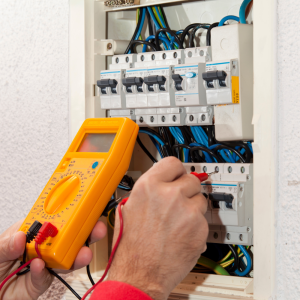
After installation, licensed cablers test and certify the work. This confirms the system meets Australian Standards and performs as expected.
Certification provides peace of mind for homeowners and businesses alike. It also ensures that future electricians or technicians can understand and maintain the system without guesswork.
When data cabling is installed properly, it becomes a reliable foundation that quietly supports daily life without constant troubleshooting.
Doing It Once, Doing It Properly
Choosing a licensed electrician for data cabling is about more than ticking a compliance box. It’s about safety, performance and long-term value.
Whether you’re upgrading your home network, fitting out a workspace or planning a renovation, professional data cabling services ensure the system is designed to work now and into the future.