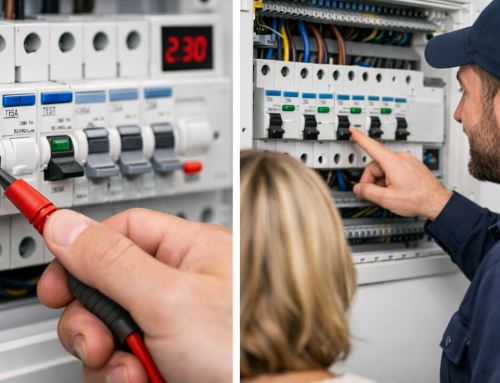
Switchboards are one of the most important safety components in any home or business, yet they’re also one of the most overlooked. Many properties are still running on switchboards installed decades ago, quietly doing their job until one day they don’t.
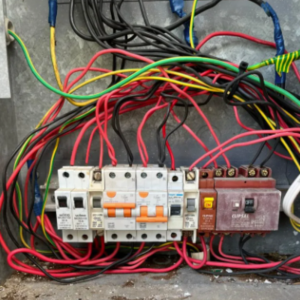
The issue is that old switchboards rarely fail without warning. The risks build slowly, often hidden behind a closed panel, until a fault, outage or safety incident forces attention. Understanding what those risks look like and when an upgrade is about safety rather than convenience can make a significant difference.
Old Switchboards Weren’t Designed for Modern Living
Electrical demand has changed dramatically over the years. Homes that once powered a fridge, a few lights and a television are now running air conditioning, induction cooktops, EV chargers, home offices and multiple smart devices.
Older switchboards were never designed to handle this level of demand. As loads increase, components can overheat, circuits can become overloaded, and protective devices may no longer operate as intended. Even if everything appears to be working, the system may be under constant strain.
Aging Components Increase Risk Over Time
Like any mechanical or electrical component, switchboard parts degrade with age. Insulation hardens and cracks, connections loosen, metal components corrode, especially in humid environments or garages exposed to weather.
These changes aren’t always visible from the outside. Inside the board, heat build-up and poor connections can create conditions where faults develop slowly and unpredictably. In some cases, signs only appear after damage has already occurred.
Lack of Safety Switches Is a Major Red Flag
One of the most common issues we see in older switchboards is the absence of modern safety switches, also known as RCDs. These devices are designed to protect people by cutting power almost instantly when a fault is detected.
Many older homes either have no safety switches at all or have limited coverage that doesn’t protect all circuits. Without them, the risk of electric shock or fire increases significantly, particularly in areas like kitchens, bathrooms and outdoor spaces.
Modern Appliances Expose Old Systems
New appliances often highlight weaknesses in older electrical systems. High-powered devices can cause frequent tripping, flickering lights or overheating at the switchboard.
These symptoms are often dismissed as minor annoyances, but they’re usually signs that the system is being pushed beyond its safe limits. Over time, this stress can lead to component failure or more serious safety concerns.
Upgrades Are About Prevention, Not Just Compliance
Some people only consider a switchboard upgrade when required for compliance, such as during a renovation, sale or new installation. In reality, many upgrades are driven by safety and prevention rather than regulation.
A modern switchboard provides better protection, clearer circuit separation and capacity for future upgrades. It also allows faults to be isolated quickly and safely, reducing downtime and risk.
Clear Advice Makes the Difference
The key is understanding whether your switchboard is still suitable for how your property is used today. That starts with a proper assessment, not guesswork.
At Terrain Electrical, we approach switchboard reviews with a safety-first mindset. We look at condition, capacity, protective devices and how the system supports your current and future needs. From there, we explain what’s essential, what’s recommended and what can be planned over time.
For property owners, that clarity removes uncertainty and allows upgrades to be made for the right reasons.
Safety You Don’t Have to Think About
A safe electrical system is one you don’t have to worry about. When a switchboard is modern, well-maintained and correctly configured, it quietly does its job in the background.
Understanding the hidden risks in old switchboards is the first step toward preventing issues before they happen. It’s not about upgrading for the sake of it, it’s about protecting people, property and peace of mind.