Storm season in South East Queensland doesn’t just bring heavy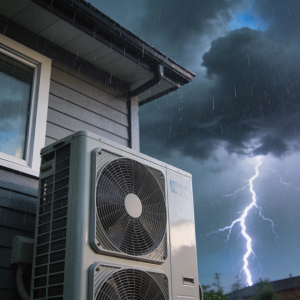 rain and humidity. It also puts added stress on air conditioning systems – often in ways that aren’t obvious until performance drops or a fault appears.
Many homeowners assume air conditioning issues are caused by age or heat alone, but storms can quietly create problems that only show up weeks or months later. Understanding what to look out for can help you avoid breakdowns right when you need cooling most.
Why Storm Season Is Hard on Air Conditioning Systems
Your outdoor air conditioning unit is exposed year-round. During storm season, it can be affected by:
- Hail impacting the condenser fins or casing
- Wind-blown debris restricting airflow
- Heavy rain forcing moisture into electrical components
- Sudden temperature and pressure changes stressing parts
Even if the system keeps running, these factors can reduce efficiency and increase wear.
Small Changes That Can Signal Bigger Issues
After periods of severe weather, homeowners often notice subtle changes rather than outright failure. These can include:
- The system running louder than usual
- Rooms taking longer to cool
- Uneven temperatures throughout the home
- Increased power usage
- The unit cycling on and off more frequently
These signs don’t always mean the system is failing, but they do suggest it’s working harder than it should.
What a Proper Storm-Season Check Involves
A storm-season air conditioning inspection goes beyond a basic filter clean. It looks at how weather may have affected both performance and safety.
During a check, we typically assess:
- Airflow through the outdoor unit
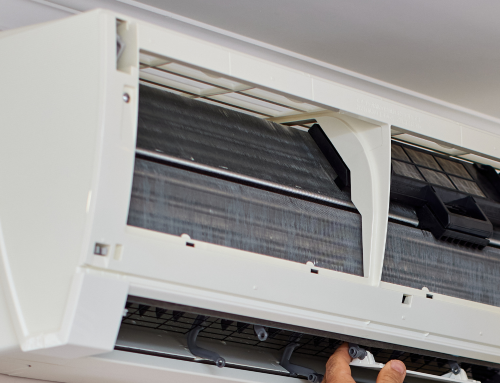
- Condition of fins, coils and fan components
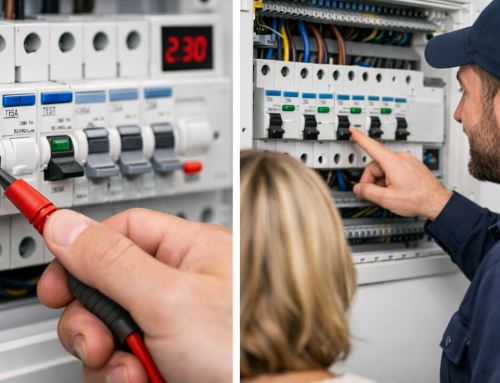
- Electrical connections and control components
- Drainage and moisture build-up
- Overall system efficiency under load
This type of inspection helps identify issues early, before they turn into mid-summer breakdowns.
When Storm Damage Is Involved
In some cases, hail or wind damage may affect parts of the system directly. Outdoor units can suffer impact damage, bent fins or water ingress that isn’t immediately visible.
Where damage is suspected, we can document findings clearly and, if required, provide information to support insurance claims. This gives homeowners clarity on what’s cosmetic, what affects performance, and what genuinely needs attention.
Why Timing Matters
Air conditioning systems tend to fail when demand is highest — during extended heat and humidity. Booking a check during or shortly after storm season gives you a chance to address small issues on your terms, rather than dealing with an urgent repair during a heatwave.
If your system hasn’t been checked recently, or if it’s been working differently since the storms, arranging an air conditioning service before peak summer can make a noticeable difference to comfort and reliability.
A Practical, Safety-First Approach
At Terrain Electrical, we take a practical approach to air conditioning during storm season. Our focus is on safety first, reliable performance second, and efficiency third — always with clear explanations so you understand what’s happening with your system.
Storm season can be unpredictable, but your air conditioning shouldn’t be. If you’d like a reliable air conditioning technician to review your system, we’re here to help.